


Do you have a friend who’s always funny? How about the one who has their life together and everything is always perfect?
I should probably start by saying that I’ve worn some of the masks I talk about in this article and I didn’t know they were a way to stay away.
So, I trust this information comes in handy, it brings you some awareness and perhaps it helps you gain some insights about how we behave.
Our authentic self is confident, curious, trusting, playful, full of love and acceptance for us and for others. As we grow up, we develop defense mechanisms to protect our authentic self and to keep us alive. If you lived in a family where you learnt how to keep your authentic self intact, this is not for you. If you didn’t, keep reading.
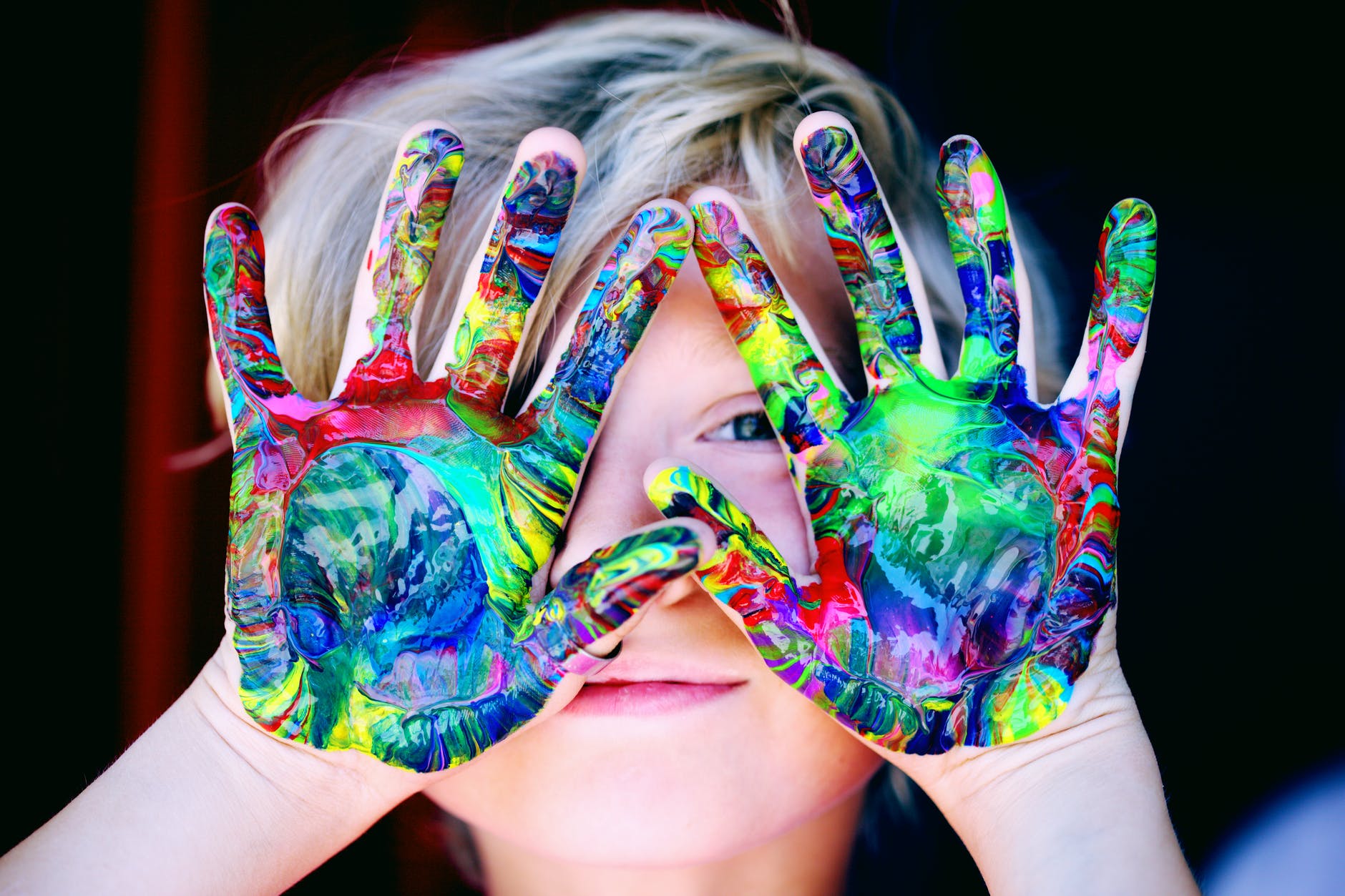
Depending on what we see in our homes and how we perceive our family and the world in our youngest years, we develop and add these protective layers on top of our authentic self and soon we start showing up as the masks we have so carefully and unconsciously built for ourselves. As we explore life and show up as our masks, others add their ideas on top of our masks, making them heavier and harder to remove.
For example, if we develop people pleasing tendencies (of going above and beyond for others, always being nice and kind) the more other people reinforce these traits in us, the harder it is to create boundaries and put ourselves first because the weight of the mask becomes emotional: if we start putting ourselves first, we will feel like we let people down, so we’ll continue to live up to unrealistic expectations set by people who may not even care about us.
It is important to identify what mask you are wearing and what defense mechanism you use as a result of it so that you can heal from past wounds and experience deeper intimacy with your loved ones.

Very common masks that we wear to protect ourselves:
- The Clown – Using humour, jokes and sarcasm as a defence mechanism to hide pain and to avoid intimacy.
- The People Pleaser – Going to desperate lengths to win the approval of others because their sense of identity is based on other people’s opinions which makes it really hard to make decisions on their own and very easy to be influenced by others.
- The Mr / Mrs Perfect – Making sure that others know they are ok, minimising what they are going through, always showing up happy, keeping the perfect image, bottling up emotions and dismissing their own feelings.
- The Hero – Trying to save everyone, making themselves available for anyone at any time, sometimes in the detriment of their own wellbeing. Because of their desperate desire to save everyone and the drama they bring with it, they tend to push away the very people they try save.
- The Bully – Using hurtful and mean language to hide their own insecurities. Behind their hostile behaviour lies low self-esteem and lots of self-doubt.
- The Control Freak – Using order, power and organisational skills to run away from ambiguity and uncertainty. Everything must be neat, they are in need of constant assurance, they take responsibility for everyone and leave no one out of sight.
- The Self Critic – Constantly projecting a negative self-image, using this mask as a protection mechanism, thinking that if they do it first, others can’t do “worse” than that.
- The Social Butterfly – Filling up their schedule with as many activities as possible, they meet many people, attend many events, he / she is the busiest one. They make many acquaintances but really few (if any) real friends. They hide their insecurities behind small talk and superficial conversations.
Other masks: The Troublemaker or The Black Sheep – taking all negative attention on themselves to ‘protect’ others, The Caretaker – Constant need to support others, feeling guilty and uneasy when receiving support, The Patient – Constant need of attention, often falling sick when attention is not given, The Invisible One – trying to make it through life with minimum attention, avoids conflict at all cost.
What’s the key learning here?
- We create masks because of an unconscious fear that our authentic self may not be loved or accepted by others.
- Family, friends and society keep reinforcing the masks and as a result we keep wearing them.
- As long as we live up to other people’s expectations, we will keep flaunting our fake selves around.
Are you using any of these masks?
Can you go back in time and identify the first time you started wearing a mask?
Becoming aware of these masks is not about blaming others for creating and wearing them, nor about removing them completely. It’s about understanding … how did they help you? Do you still need them?
She had blue skin,
And so did he.
He kept it hid
And so did she.
They searched for blue
Their whole life through,
Then passed right by-
And never knew
Shel Silverstein

