

“The purpose of life is not to be happy. It is to be useful, to be honorable, to be compassionate, to have it make some difference that you have lived and lived well” – Ralph Waldo Emerson
Why is purpose so important? Have you found yours?
Do you really have to have a purpose? What if you are “happy” without it? Or … are you happy without it?
Research have shown that believing you are making a difference and that your life has purpose is fundamental to your well-being. Purpose in life is important because it provides you with a strong base and a sense of direction which will ultimately help you reach the goals you set.
Best way to find your purpose in life is to fast forward to the end of it. Don’t freak out, it’s “safe to practice” and it only takes imagination and honesty while answering below questions:
- What do I want to be remembered for?
- Whom do I want to be remembered by?
- When I look back, am I satisfied with the life I lived?
- Am I living in a way now that will help me achieve my purpose?
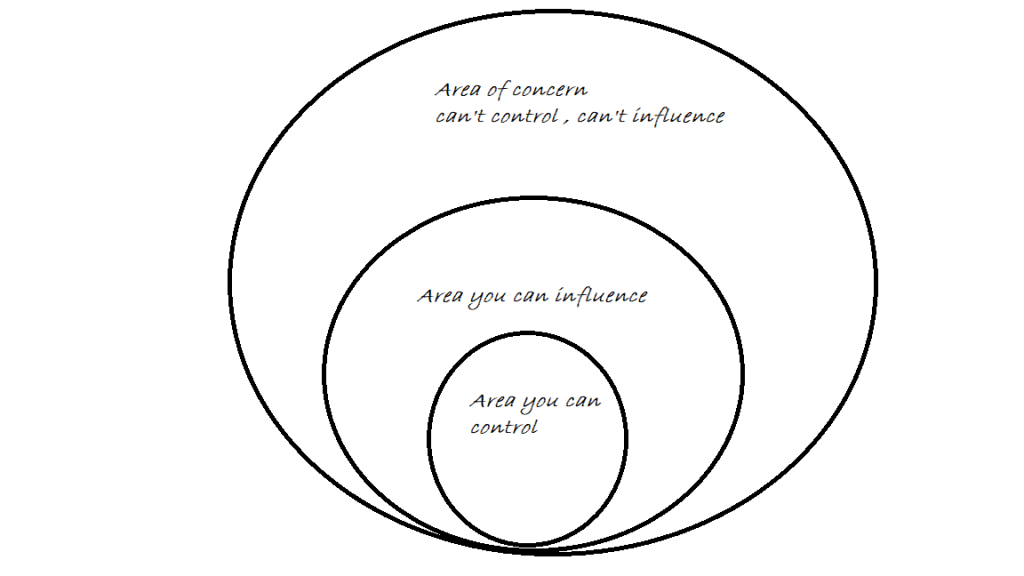
If the answer to question 3 and 4 is “no”, start thinking of adjustments you can make in your daily life to move towards your desired self. What can you do? What is within your control? What can you start doing right away? I trust that you answer all the questions honestly.
Some of us may think that life purpose should suddenly become clear and that we’re doomed without one. But this is a rather slow process, it takes motivation and continuous effort.
For many people, thinking of life purpose can be uncomfortable or it may seem abstract, especially for those who are not spiritual and don’t believe in a higher order of things.
And for others it may mean following some odd (and old) traditions or superstitions linked to the life they lived to date. Traditions and superstitions should not affect your life purpose in any way.
Most us are working a daily job, thinking of building a career, and when asked about it, we’d often answer: it’s a job, it pays the bills so it’s ok… Think of an option that isn’t about you and the job you do, but more about the relationship you have with your job. That is job crafting.
To start crafting your job, rather than working a 9 to 5 schedule, read through the below changes you may want to apply:
- Change the number, scope or type of the tasks you do.
- Change the nature (or number) of the relationship you have: connect with (more) colleagues, reach out to stakeholders.
- Change the way you perceive your job by looking at how it contributes to wider organisational success and why not, to global success.
Re-crafting your job is a way of adding more meaning to your life. Even if you feel like the first 2 might be out of hand, the 3rd point is definitely something you can do. Meaning at workplace is given by two opposite stand points: intrinsic – the individual personality characteristics and extrinsic – job specific characteristics. It’s in your hands to determine which one wins. (why not both of them?)

Not related to life purpose, just a glimpse of kindness
To go even deeper, answer the following questions for yourself:
- If you were given the opportunity to create your own job description within your organisation, what will it look like?
- How would this “ideal” job be different than the one you currently have?
- Why would you make this change?
- What stopped you from making this change earlier?
- What will enable you to make this change?
Purpose is personal and it’s different for each individual. Two people doing the same job may have completely different purpose in life and different meaning for what they are doing.
There are several pathways to discover your purpose and it certainly helps to be inquisitive about yourself and about others.
Psychology theories suggest that there are few pathways which lead to purpose in life:
- You can proactively think of your purpose, work on it, and gradually define it until it becomes crystal clear.
2. You may experience a life changing event: Giving birth to children – if you didn’t know, yes! having children is a life changing event; and so are serious illnesses and near-death experiences – or NDEs – which, I hope none of you will ever go through. These events change people and their purpose will shift, they’ll think of something new, that wasn’t even in the radar before.
3. You may find your life purpose by observing others, learning from them and by modelling them.
Being curious about things will always bring you closer to discovering your calling.
“Your purpose in life is to find your purpose and give your whole heart and soul to it.” – Buddha


 As Simple As That - HR and Leadership Coaching