
“The chains of habit are too weak to be felt until they are too strong to be broken.”
Samuel Johnson
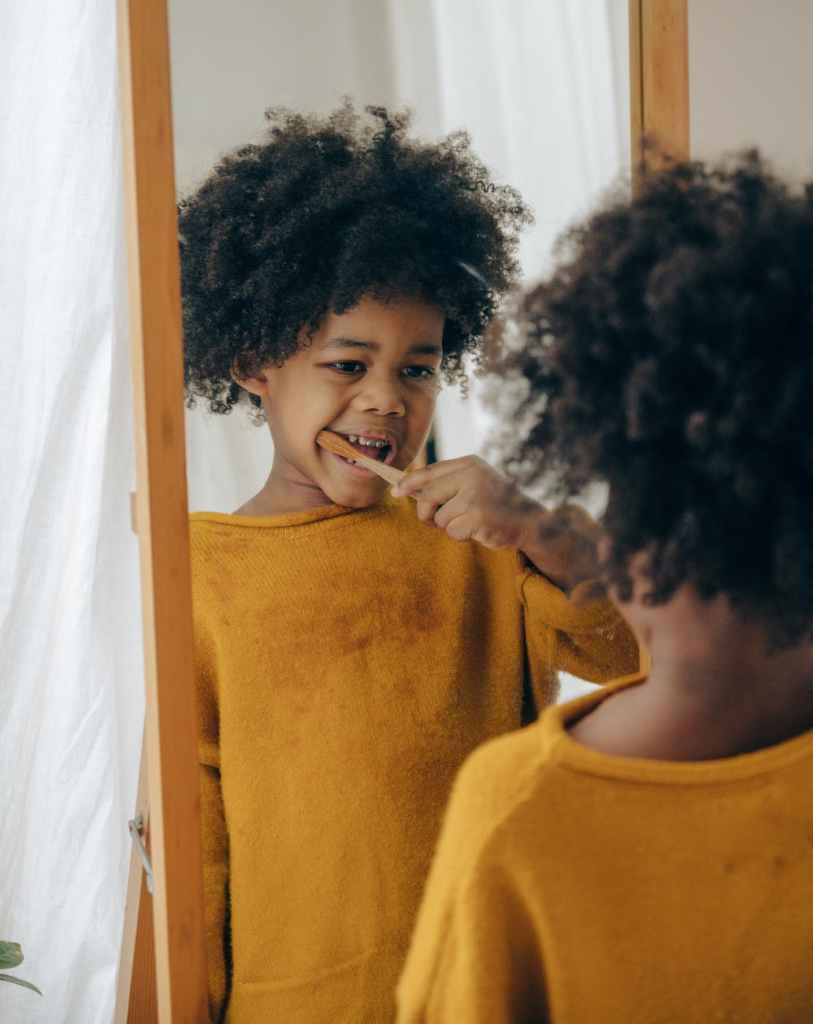
Have you ever been told that you’re doing too much of something, or too often? that whatever you’re doing is bothering people around you, or that it’s bad for your physical and mental health? Perhaps you’ve thought of giving yourself a makeover in terms of habits and you want to change something old or do something new?
How do we get habits anyway? They are found in the same part of the brain that is responsible for memories, pattern recognition and coordination of movement. After you learn something new (eg: you learn to lock the door every time you leave the house), you do it consciously (willingly) multiple times until it becomes automatic and you’ll soon do it without thinking about it, unconsciously; it’s a habit. You may even ask yourself at times: did I lock the door when I left? And you can’t remember. Only to come home later and to find that the door is locked, because “you were acting out of habit”.
Why is habit difficult to change? While forming a new habit could be easy, depending on circumstances, rules, social interaction and motivation, changing an old habit, is not as easy. Because it’s an automatic action that doesn’t require your decision anymore, it goes through stages. Have a read below to understand more:
- Precontemplation. The stage when you hear suggestions about the habit you need to change, but you don’t consider them. You have no intent to change the habit, and you refuse to even think about it: “it’s not a problem”, “it’s not that bad”, “it’s my life / my body, not theirs”.
- Contemplation. You take a deep breath and you become aware about the effects your bad habit has. At this stage, individuals spend time doing the pros and cons, finding reasons and excuses to not changing anything; although they start to understand the negative aspects of their habits, they fail to see the long-term benefits.
- Motivation (Determination). If you happen to pass the contemplation stage, this is the step where you say: “I have to do something about this!”, but this is a difficult step too. For example, smokers will throw all their cigarettes at this stage, they’ll stop smoking for a couple of days and as soon as they have a social gathering, they will find a reason to ‘light one up’. So, what you need is a motivating and activating belief: it may be health, it may be the desire to become a role model for the children, to get the dream job … and so on; Find yours, spend some time to understand what will determine you to make this change. At this stage, most people come up with a plan: call a clinic, buy a gym membership, cancel credit cards – whatever suits the plan.
- Action. You are actively involved in changing your habit, the doing stage. You say you start going to the gym and you do! Every day; regardless of your schedule for the day. You watch your diet, get a personal trainer… This step is glued to your willpower. This is the shortest stage of all, however it does depend from person to person. At this stage, you become more open to receiving help and you are likely to seek support from specialists or peers.
- Maintenance. This part is the “ongoing action” and the longest stage. You continue the new behaviour, no matter what. Bad news is: maintaining a new habit is challenging. Connect with your motivation, the ‘why’ of your plan.
- Termination. The last stage; you have maintained your new habit long enough and now the old behaviour seems far-fetched. At this stage, most individuals are annoyed by their past habits (skipping a gym day brings frustration when it used to bring pleasure, if going to the gym was even an option)

Relapse is the door you don’t want to open, this is a stage that could come up at any time, between stage 3 to 6… people resume the initial unhealthy habits, because they relax or they get tired, they think they’ve done enough. In order to avoid it, you must go back to steps 3, 4 or 5. Remember, you are not born with habits. You learn them, you choose them and therefore you can change them.
Making a change takes more than willpower and good intention. Bringing critical thinking into it, definitely helps: “Exactly, how would this change be beneficial for me?”
Bad days and bad news come and go. Don’t let a couple of events influence what you started working on. When the motivating belief is strong, human beings are capable of showing unlimited amount of determination.
“The truth is that everyone is bored, and devotes himself to cultivating habits”
Albert Camus
This article is for general information only and is not meant to replace real treatment or diagnosis. If you struggle with addiction, seek professional assistance.
 As Simple As That - HR and Leadership Coaching
One thought on “Why are habits hard to change?”